
What Size Crane Do I Need for My Project?
·3 min read
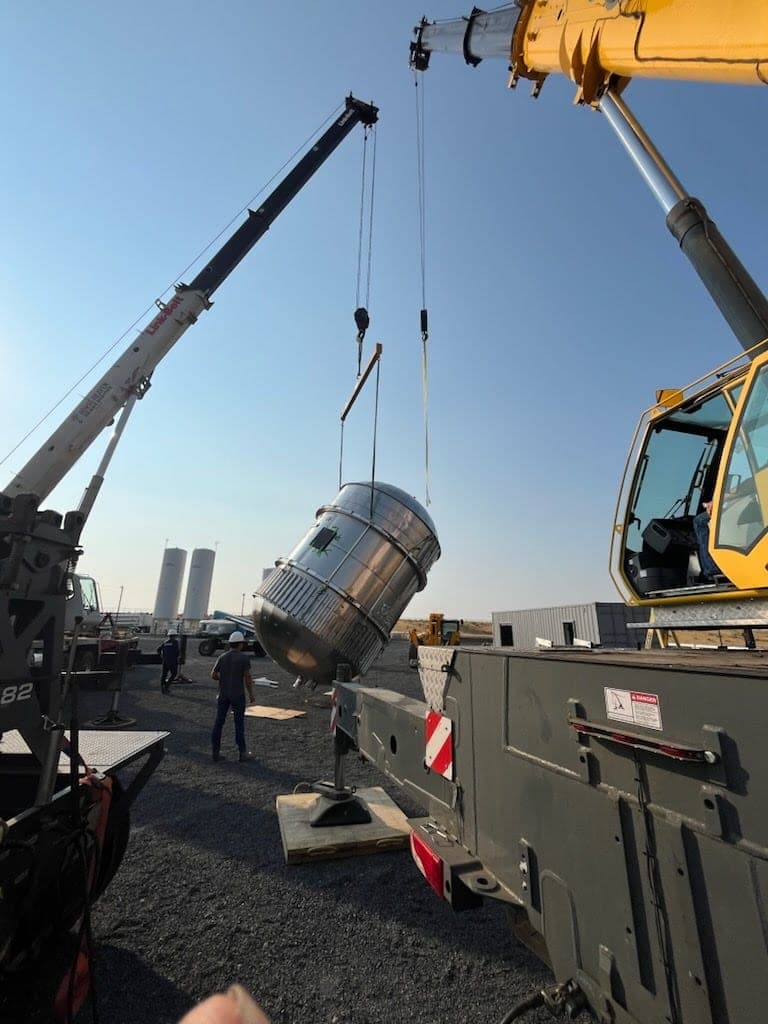
One of the first questions people ask when they call us is:
“Hey… what size crane do I need for this?”
It’s a fair question. Most contractors, facility managers, or project supervisors don’t spend their days choosing cranes, and the answer isn’t always obvious. The right crane size depends on more than just how heavy the load is. Things like reach, height, site access, and ground conditions all play a major role.
The good news is that you don’t need to be a crane expert to make the right decision. A little understanding goes a long way, and the rest is what we’re here for.
Weight Isn’t the Only Factor
A lot of people assume crane size is based solely on how much the load weighs. Yes, weight matters, but it’s only part of the equation. A 10,000-pound load sitting right next to the crane might require a completely different crane than a 10,000-pound load 80 feet away or 40 feet in the air.
The farther the crane has to reach, the less it can lift safely. That’s why a lift chart exists, and why we ask a few questions before recommending equipment.
Distance and Reach
Reach is usually the biggest determining factor. If the crane has to reach over a building, across a roof, down into a pit, or across a job site where the crane can’t get close, the required capacity increases quickly.
A small load at a long radius often requires a much larger crane than people expect.
Height Matters Too
We also look at how high the load needs to go. Setting rooftop units, placing structural components, or lifting equipment into upper floors changes the crane selection. Boom length, rigging height, and clearance all factor in.
Even if the weight is manageable, vertical lifting can push a smaller crane beyond its safe limits.
Job Site Access and Setup Space
Sometimes the limiting factor isn’t the load at all—it’s the site.
If there’s limited space to set up outriggers, soft ground, uneven surfaces, or obstacles like power lines, we may need a specific type of crane with the right footprint and mobility.
A larger crane might actually be safer and more efficient simply because it can “do the job from where it has to sit.”
Common Mistake: Choosing Based on Equipment Weight Alone
One of the biggest misconceptions we see is someone saying:
“The equipment weighs 6,000 pounds, so a small crane should handle it.”
Then we find out the crane needs to:
- reach over a building
- lift from the street
- clear a parapet wall
- thread it into a tight opening
Suddenly that “small lift” requires a much more capable crane.
The Easiest Way to Know
The easiest and safest way to determine crane size is to provide a few key details:
- what you’re lifting
- approximate weight
- how far the crane will be from the load
- how high it needs to go
- a couple of photos or a site address
With that information, we can recommend the right crane quickly and accurately.
Most of the time, we can answer within a few minutes.
Why It Matters
Using a crane that’s too small is dangerous and can damage equipment, structures, and potentially injure workers. Using a crane that’s much larger than needed can increase costs unnecessarily.
Choosing the right size keeps the lift:
- safe
- efficient
- cost-effective
- compliant with manufacturer limits
Let Us Help You Choose
If you’re not sure what size crane you need for your project, you’re not alone. Most people don’t know—and they aren’t expected to. That’s why we ask questions and look at the whole picture before recommending equipment.
If you’ve got a lift coming up, we’d be happy to look at the details and point you in the right direction.