Lift Planning Basics: What Information Your Crane Operator Needs
·13 min read
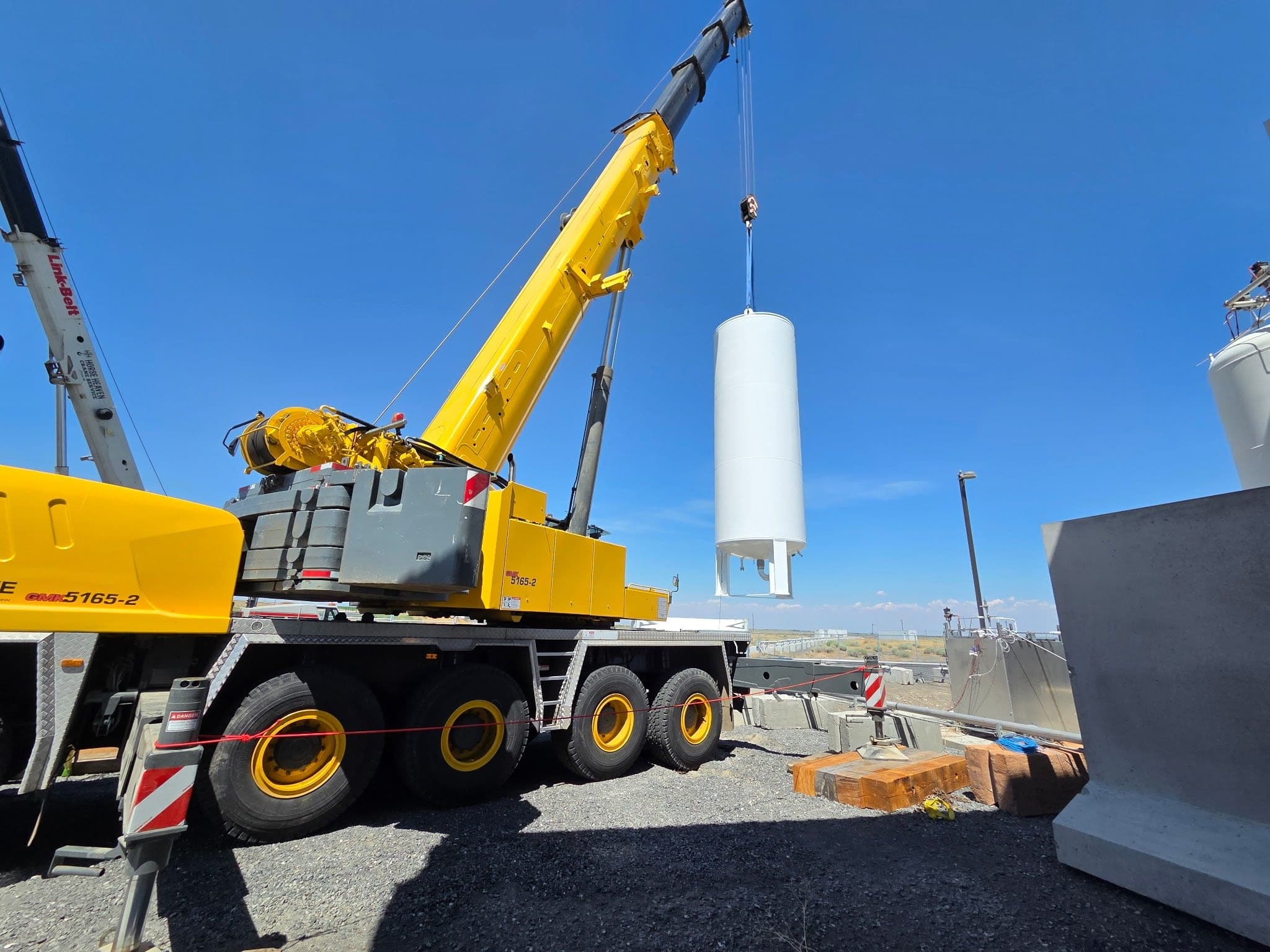
Whether you're managing a construction project in Moses Lake, installing equipment at a food processing facility in the Tri-Cities, or coordinating machinery placement in Spokane, successful crane operations begin with thorough lift planning. The information you provide to your crane operator directly impacts safety, efficiency, and project success.
Many project managers understandably focus on budget and schedule but may be uncertain about what technical information crane operators need to plan and execute lifts safely. This guide breaks down the essential information your crane service provider requires to deliver safe, efficient lifting solutions for projects throughout Eastern Washington, Northern Idaho, and Eastern Oregon.
Why Lift Planning Matters
Every crane lift requires planning, regardless of size or complexity. The old adage holds true in material handling operations: failing to plan is planning to fail. Even simple lifts benefit from documented planning that considers load characteristics, equipment capabilities, site conditions, and potential hazards.
Proper lift planning accomplishes several critical objectives. It ensures operations stay within equipment capacity limits and safety margins, identifies potential hazards before they become problems, provides clear communication among all personnel involved in the lift, establishes protocols for safe execution, and creates documentation for regulatory compliance and quality assurance.
For complex or high-risk lifts, detailed planning becomes even more critical. These operations may require engineering calculations, specialized rigging designs, and enhanced safety protocols. Understanding what information your crane operator needs helps you gather and communicate these details effectively.
Load Information: The Foundation of Every Lift Plan
The most fundamental piece of information your crane operator needs is accurate load data. Underestimating load weight represents one of the most dangerous mistakes in crane operations, potentially leading to equipment failure, load drops, and serious injuries.
Weight and Center of Gravity
Provide the total weight of everything being lifted, including the item itself, rigging equipment such as slings, shackles, and spreader beams, any attachments or fixtures, and packaging, crating, or protection materials. If the exact weight isn't known, err on the side of caution and provide a conservative estimate, clearly noting it as an estimate rather than a confirmed weight.
Center of gravity location significantly affects lifting dynamics. Loads with offset centers of gravity require special rigging considerations to prevent tilting or rotation during the lift. If available, provide drawings or specifications showing center of gravity location. For irregular loads or equipment with internal components, manufacturer specifications often include this critical information.
Load Dimensions and Configuration
Physical dimensions help operators plan boom configurations, rigging attachments, and clearance requirements. Provide overall length, width, and height, noting any protruding components or irregular shapes, location and type of lifting points or attachment locations, structural characteristics that might affect lifting such as flexibility or delicate components, and any special handling requirements or restrictions.
For loads that might shift or have internal components that could move during lifting, note these characteristics. Liquids, loose materials, or equipment with movable parts require special consideration in rigging design and lift execution.
Site Conditions: Environmental Factors Affecting Safety
Site conditions dramatically affect crane setup, capacity, and operational safety. Your crane operator needs comprehensive information about the jobsite environment to plan appropriately.
Ground Conditions
The ground where the crane will be positioned must support the combined weight of the crane and load. Ground conditions include soil type and bearing capacity, slope or grade of the setup area, drainage characteristics and potential for saturation, existence of underground utilities, voids, or structures, and any recent excavation or disturbance in the area.
In the Columbia Basin, soil conditions vary significantly. Sandy soils in Grant County, basalt rock near the surface in some areas, and irrigated agricultural land with varying moisture content all require different setup approaches. If you have geotechnical reports or soil bearing capacity information, share this with your crane service provider. When this information isn't available, experienced operators can assess conditions, but knowing site history helps identify potential concerns.
Access and Clearances
Crane mobilization requires adequate access to the jobsite. Provide information about access routes including road conditions, weight limits on bridges or structures, overhead clearances along travel routes, and any permits required for transport. At the lift location itself, identify available space for crane setup and positioning, swing radius requirements and any obstructions within that radius, overhead clearances including power lines, buildings, and structures, and proximity to occupied buildings or active work areas.
Power Lines and Utilities
Contact with power lines represents one of the leading causes of crane-related fatalities. Identifying power line locations and characteristics is critical for every lift plan. Document location and routing of overhead power lines, voltage ratings for all lines, minimum clearance distances required, location of underground utilities, and any special considerations for electrical safety.
OSHA requires specific minimum clearance distances based on voltage. For lines rated 50 kV or below, maintain at least 10 feet clearance. Higher voltage lines require greater clearances. If crane operations must occur within these minimum distances, additional safety measures including de-energization, insulating barriers, or dedicated spotters become necessary.
Equipment and Configuration Requirements
Understanding your project requirements helps crane operators select appropriate equipment and configure it for optimal performance and safety.
Lift Height and Radius
The vertical height where the load must be placed and the horizontal distance from the crane's center of rotation to the load landing point determine required boom length and configuration. Provide height above ground where the load must be placed, accounting for any obstacles the load must clear during travel, horizontal distance from crane setup location to final load position, and any intermediate positions or movements required during the lift.
Crane capacity decreases as radius increases and boom length extends. Longer reaches require more boom and reduce lifting capacity. Accurate height and radius information enables proper equipment selection and configuration planning.
Duration and Timing
Project schedules affect crane mobilization, setup, and operational planning. Share information about expected lift duration, whether multiple lifts will occur over hours or days, time restrictions such as noise limitations or traffic considerations, coordination requirements with other trades or activities, and seasonal timing that might affect weather conditions.
For projects requiring crane services over multiple days or weeks, developing a comprehensive lifting plan that covers all anticipated operations streamlines execution and may reduce costs through efficient equipment utilization.
Environmental and Weather Considerations
Weather conditions significantly impact crane operations, and planning should account for seasonal and daily weather patterns common to Eastern Washington and the Inland Northwest.
Wind Conditions
Wind represents the most common weather-related operational constraint for crane operations. Manufacturers specify maximum wind speeds for safe operation, and these limits vary by crane configuration and load characteristics. Share historical weather data for the project location, typical wind patterns by time of day or season, any known microclimate effects such as wind funneling through valleys or around buildings, and project flexibility for weather delays.
In the Columbia Basin, afternoon winds frequently develop during spring and summer months. Planning lifts during calmer morning hours when possible reduces weather-related delays.
Temperature and Precipitation
Temperature extremes and precipitation affect equipment performance and ground conditions. Winter conditions bring frozen ground that affects stability, ice accumulation on equipment, reduced hydraulic system performance, and limited daylight hours. Summer heat creates different challenges including afternoon thermal winds, reduced equipment performance in extreme temperatures, and operator fatigue concerns.
Rain, snow, or ice affect visibility, ground conditions, and equipment performance. Communicating project timing helps crane operators plan for likely weather conditions and establish clear weather criteria for proceeding with or postponing operations.
Special Considerations and Hazards
Every jobsite presents unique characteristics that may affect crane operations. Identifying these considerations early enables proper planning and risk mitigation.
Critical Lift Criteria
Certain lifts require enhanced planning and documentation due to complexity or risk. Critical lifts typically include operations where load weight exceeds 75 percent of crane rated capacity, lifts where the load travels out of the operator's view, multiple crane lifts where two or more cranes support a single load, lifts over occupied buildings or active work areas, technically complex or non-routine rigging arrangements, and any lift the crane operator determines should be designated critical.
If your project includes critical lift criteria, communicate this early. Critical lifts require additional planning time, engineering analysis, and documentation.
Site-Specific Hazards
Beyond standard considerations, some projects present unique hazards requiring special attention. These might include confined spaces or limited access areas, proximity to sensitive equipment or operations, electromagnetic fields or radio frequency exposure, hazardous materials or processes in the area, historic structures or cultural resources, and archaeological or environmental restrictions.
Sharing comprehensive site information helps crane operators identify potential conflicts and develop appropriate safety protocols.
Rigging and Attachment Points
How loads connect to the crane significantly affects lift safety and feasibility. Providing information about rigging requirements enables proper equipment selection and planning.
Lifting Points and Attachments
Most manufactured equipment includes designed lifting points. If these exist, provide location and configuration of lifting lugs or attachment points, rated capacity of attachment points if known, manufacturer's rigging recommendations or requirements, and any restrictions on rigging methods or angles.
For loads without designed lifting points, such as structural materials or miscellaneous items, describe how the load can be safely rigged. Photos or drawings help communicate load configuration and potential rigging approaches.
Rigging Equipment Requirements
Some loads require specialized rigging equipment beyond standard slings and shackles. If your project involves spreader beams or lifting frames, specialized attachments or fixtures, load monitoring or weighing equipment, or unusual rigging configurations, communicate these requirements early. Crane service providers can often supply specialized rigging equipment, but advanced notice enables proper procurement and planning.
Regulatory and Documentation Requirements
Different projects may have specific regulatory, insurance, or contractual documentation requirements that affect lift planning.
Engineered Lift Plans
Complex lifts or projects with specific requirements may need engineered lift plans with PE-stamped calculations. These detailed analyses include load calculations and capacity verification, ground bearing pressure analysis, boom stress and configuration assessment, rigging load distribution calculations, and comprehensive safety protocols.
At Central Washington Crane and Rigging, we provide PE-stamped lift plans for projects requiring engineering analysis. Knowing this requirement at project outset ensures proper planning and documentation.
Insurance and Certification Requirements
Project contracts or insurance requirements may specify operator certifications, equipment inspection documentation, insurance coverage levels, and specific safety protocols or procedures. Sharing these requirements with your crane service provider ensures compliance and prevents delays when documentation is requested.
Communication Protocols and Personnel Coordination
Successful lifts require clear communication and coordination among all personnel involved.
Project Team and Contacts
Identify key personnel including project manager or superintendent, site safety officer, signal person or lift director, receiving personnel at load landing location, and any specialized trades coordinating with the lift. Establish communication methods such as radios, hand signals, or other systems, emergency contact information, and procedures for stopping work if concerns arise.
Pre-Lift Meetings
Before significant lifts, conduct pre-lift meetings involving all personnel who will participate in or be affected by the operation. These meetings review the lift plan, confirm roles and responsibilities, discuss communication protocols, identify hazards and mitigation measures, and address questions or concerns.
Your participation in pre-lift meetings demonstrates commitment to safety and provides opportunity to clarify project-specific requirements or constraints.
Standard Versus Critical Lifts
Understanding the difference between standard and critical lifts helps determine appropriate planning depth and documentation requirements.
Standard Lift Planning
Routine lifts with straightforward configurations and well-defined parameters require basic planning documentation covering crane type and configuration, load description and weight, boom length and radius, percentage of rated capacity, rigging equipment and methods, personnel assignments, site hazards and safety measures, and weather criteria for operations.
Even standard lifts benefit from documented plans that ensure all team members understand the operation and their roles.
Critical Lift Planning
Critical lifts require comprehensive planning documentation that may include detailed engineering calculations, 3D lift diagrams showing geometry and load paths, step-by-step procedures for lift execution, contingency plans for potential problems, enhanced safety protocols and personnel requirements, and review and approval by qualified engineers or safety professionals.
The threshold for designating lifts as critical varies by industry and project requirements. When uncertain, consult with your crane service provider about whether enhanced planning is appropriate for your specific application.
Working with Professional Crane Service Providers
One of the most effective ways to ensure proper lift planning is partnering with experienced crane service providers who make comprehensive planning part of their standard service.
What to Expect
Professional crane companies should conduct thorough pre-job consultation to understand project requirements, provide guidance on information needed for planning, develop comprehensive lift plans appropriate to project complexity, offer engineering support for critical lifts, coordinate all aspects of crane operations and site logistics, and maintain clear communication throughout project execution.
At Central Washington Crane and Rigging, our 20-plus years of experience across Eastern Washington, Northern Idaho, and Eastern Oregon means we understand regional conditions, common applications, and effective planning approaches. Our NCCCO-certified operators and comprehensive service capabilities enable us to provide complete lifting solutions from initial planning through final execution.
Planning Lead Time
Provide information as early as possible in your project planning. Complex lifts requiring engineered plans may need several days or weeks for proper analysis and documentation. Even standard lifts benefit from early coordination that enables efficient scheduling and equipment allocation.
Rush situations sometimes occur, and experienced crane service providers can often accommodate expedited planning when necessary. However, adequate lead time enables more thorough planning and often results in more efficient and cost-effective execution.
Common Planning Mistakes to Avoid
Understanding common planning pitfalls helps you provide better information and avoid delays or complications.
Underestimating Load Weight
The most dangerous planning mistake is underestimating load weight. When exact weight is unknown, use conservative estimates and clearly communicate uncertainty. Crane operators can often help determine weight through calculation or measurement, but they need to know when provided figures are estimates versus confirmed weights.
Incomplete Site Information
Failing to identify power lines, underground utilities, overhead obstructions, or ground condition concerns creates serious safety risks. Thorough site assessment and complete information sharing prevents dangerous surprises during crane operations.
Inadequate Access Planning
Assuming cranes can access any location without verifying road conditions, weight limits, overhead clearances, and site access often leads to mobilization problems and delays. Early coordination on access requirements prevents these issues.
Last-Minute Changes
Changing lift parameters, load characteristics, or site conditions without updating the lift plan and communicating with your crane operator compromises safety. When project conditions change, update planning documentation and ensure all personnel understand modifications before proceeding.
Regional Considerations for Eastern Washington Projects
Projects throughout the Columbia Basin and Inland Northwest present unique characteristics that affect lift planning and execution.
Agricultural Operations
Food processing facilities, grain handling systems, and agricultural equipment installations often occur in rural locations with limited access, seasonal timing constraints tied to harvest schedules, and specialized equipment requiring careful handling. Understanding these industry-specific factors helps crane operators plan appropriately.
Data Center Construction
The booming data center sector brings projects requiring precision equipment placement, coordination with sensitive electrical systems, strict schedule adherence, and specialized rigging for high-value components. Our experience with data center construction throughout the Moses Lake area enables efficient planning for these demanding applications.
Remote Locations
Eastern Washington, Northern Idaho, and Eastern Oregon include remote jobsites requiring extended mobilization, limited support infrastructure, and careful logistical planning. Communicating location characteristics early enables proper preparation.
The Value of Comprehensive Information
Providing complete, accurate information to your crane operator delivers multiple benefits including enhanced safety through proper planning and hazard identification, improved efficiency by enabling optimal equipment selection and configuration, reduced costs by preventing delays, equipment changes, or operational problems, better communication among all project personnel, and documentation supporting regulatory compliance and quality assurance.
The time invested in gathering and sharing information pays dividends throughout project execution. Crane operators cannot plan for hazards they don't know about or select appropriate equipment for conditions they haven't been told exist.
Your Partner in Lift Planning
At Central Washington Crane and Rigging, we understand that project managers may not always know what information crane operators need. Our experienced team asks the right questions, provides guidance on information gathering, and works collaboratively to develop comprehensive lift plans appropriate to your project requirements.
We serve construction, industrial, agricultural, and commercial projects throughout Eastern Washington, Northern Idaho, and Eastern Oregon, bringing regional expertise and comprehensive capabilities to every operation. Our services include cranes from 8,000 lb telehandlers to 230-ton crawlers, engineered lift planning with PE-stamped calculations when required, certified operators and riggers, comprehensive rigging equipment and specialized attachments, machinery moving and installation services, and commercial storage solutions for project materials and equipment.
Whether you're planning a single lift or coordinating crane services for an extended project, we provide the expertise, equipment, and support to ensure safe, efficient execution.
Get Started with Your Project
Ready to discuss your lifting requirements? Contact Central Washington Crane and Rigging today to begin planning your crane operations. We'll work with you to identify required information, develop comprehensive lift plans, and deliver professional crane services that keep your project on schedule and your team safe.
Our commitment to thorough planning, open communication, and operational excellence has made us the trusted crane service provider for projects throughout the Inland Northwest for over 20 years. Let us bring that same level of expertise and professionalism to your next project.
Central Washington Crane and Rigging | Moses Lake, WA | Serving Eastern WA, Northern ID, and Eastern OR