Why Engineered Lift Plans Matter for Heavy Lifting Projects in Eastern Washington
·5 min read
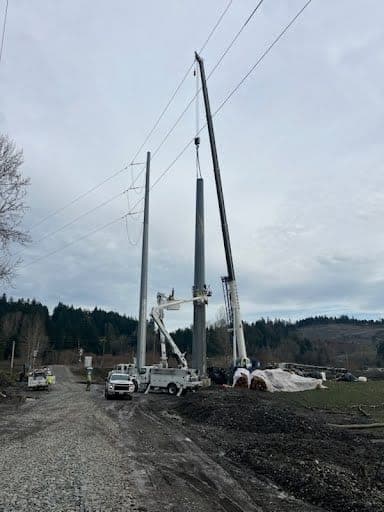
Heavy lifting is not something you improvise. Whether it’s setting structural steel, moving industrial equipment, or handling oversized materials, every lift in Eastern Washington requires careful planning to avoid costly mistakes and serious safety risks.
That’s where engineered lift plans come in. For crane and rigging projects in Moses Lake, Spokane, the Tri-Cities, and across Eastern Washington, these plans are the foundation of safe and successful operations.
Without a proper lift plan, even a simple project can turn into a dangerous and expensive problem.
What Is an Engineered Lift Plan?
An engineered lift plan is a detailed document that outlines exactly how a heavy lift will be performed. It includes load calculations, crane selection, rigging configuration, site conditions, safety protocols, and step-by-step execution procedures.
For crane service providers in Moses Lake WA and surrounding areas, this plan acts as the blueprint for every lift. It ensures that all equipment, personnel, and procedures are aligned before any work begins.
In short, it removes guesswork and replaces it with precision.
Why Lift Planning Is Critical in Eastern Washington
Eastern Washington presents unique challenges for lifting operations. From strong winds in open industrial zones to uneven ground conditions at construction sites, every project requires local experience and preparation.
In areas like Moses Lake, Wenatchee, and the Tri-Cities, weather and terrain can change how a lift must be executed. Engineered lift plans account for these variables before the crane ever arrives on site.
This level of preparation is what separates professional rigging companies from general equipment operators.
Safety Comes First in Every Lift
The most important reason for engineered lift plans is safety. Heavy lifting involves massive loads, high-value equipment, and strict coordination between crews.
A single miscalculation can lead to dropped loads, damaged structures, or serious injury. Lift plans reduce these risks by clearly defining load weight, center of gravity, rigging points, and crane positioning.
For any crane service in Eastern Washington, safety is not optional, it is built into the planning process.
Proper Crane Selection for the Job
Not all cranes are designed for the same type of work. Choosing the wrong crane can lead to instability, delays, or equipment failure.
An engineered lift plan ensures the correct crane is selected based on load size, reach distance, site access, and lifting height. Whether it’s a mobile crane, hydraulic crane, or rough terrain unit, the choice is backed by calculations, not guesswork.
This is especially important in industrial zones across Moses Lake and Spokane where lifting requirements vary widely.
Improving Efficiency on the Jobsite
Time is money in construction and industrial projects. Without a clear lift plan, crews often face delays, miscommunication, and unexpected adjustments on site.
Engineered lift plans streamline the entire process. Everyone involved knows their role, the sequence of operations, and the exact requirements before the lift begins.
For projects in Eastern Washington, this level of efficiency helps keep schedules on track and reduces costly downtime.
Reducing Equipment Damage and Project Costs
Heavy equipment and materials are expensive. Improper rigging or lifting mistakes can cause damage that leads to major financial losses.
A well-designed lift plan protects assets by ensuring correct rigging methods, proper sling angles, and balanced load distribution.
For contractors and facility managers in Moses Lake WA, this means fewer repair costs and fewer project setbacks.
Site Assessment and Ground Conditions
Before any lift takes place, the jobsite must be evaluated. Ground stability, slope, underground utilities, and overhead hazards all play a role in lift safety.
Engineered lift plans include detailed site assessments to determine where cranes can safely operate and how loads should be moved.
In rural and industrial areas of Eastern Washington, where terrain can vary significantly, this step is especially important.
Communication Between All Teams
Large lifting projects involve multiple teams, operators, riggers, contractors, and safety personnel. Without a clear plan, communication gaps can lead to mistakes.
A lift plan ensures everyone follows the same instructions and understands the sequence of operations. It creates a shared reference point for the entire project.
This level of coordination is essential for crane and rigging companies working across Washington State.
Compliance With Safety Regulations
Crane operations must follow strict OSHA and state safety guidelines. Engineered lift plans help ensure full compliance with these regulations.
They document safety checks, inspection requirements, and operational limits, which are often required for industrial and commercial projects.
For companies operating in Eastern Washington, compliance is not just about avoiding penalties, it’s about maintaining a strong safety culture.
Handling Complex and Critical Lifts
Some lifting projects are more complex than others. These include tight access sites, oversized loads, or lifts near active facilities.
Engineered lift plans are especially important in these situations because they map out every detail in advance. This reduces uncertainty and helps crews handle challenging conditions with confidence.
In Moses Lake and surrounding industrial areas, critical lifts are common in manufacturing, agriculture, and infrastructure projects.
Supporting Long-Term Project Success
A successful lift is not just about completing the task, it’s about supporting the entire project timeline. Delays or mistakes in lifting can affect every other phase of construction or installation.
Engineered lift planning helps keep everything aligned from start to finish. It ensures that materials arrive on time, are placed correctly, and do not disrupt other work.
For general contractors across Eastern Washington, this reliability is essential for project success.
Why Local Expertise Matters in Lift Planning
Lift planning is not one-size-fits-all. Local conditions in Eastern Washington require experience with regional weather patterns, terrain, and jobsite challenges.
Companies based in Moses Lake, Spokane, and the Tri-Cities understand these conditions better than out-of-area providers. That local knowledge leads to more accurate planning and safer execution.
Working with a local crane and rigging company also ensures faster response times and better on-site coordination.
Choosing the Right Crane and Rigging Partner
Not all providers offer engineered lift planning as part of their service. When selecting a crane company in Eastern Washington, it’s important to ask about their planning process.
A qualified provider should offer full lift planning, site evaluation, equipment selection, and safety documentation before any job begins.
This level of professionalism is what separates basic crane rentals from full-service rigging solutions.
Final Thoughts
Engineered lift plans are not just paperwork, they are the backbone of safe, efficient, and successful heavy lifting projects in Eastern Washington.
From Moses Lake to Spokane and the Tri-Cities, these plans help ensure that every lift is completed with precision, safety, and control.
For contractors, industrial operators, and project managers, investing in proper lift planning means fewer risks, lower costs, and better overall results.
When it comes to crane and rigging work, preparation is everything, and engineered lift plans make that preparation possible.