
What Goes Into a Safe Critical Lift?
·2 min read
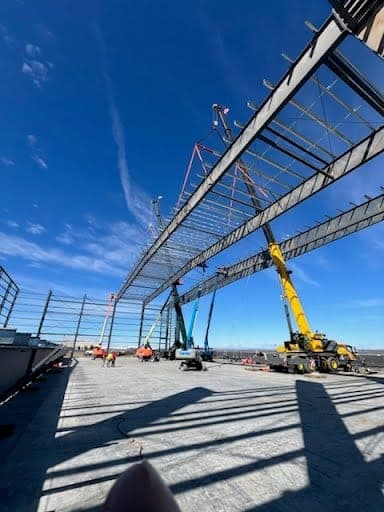
Understanding the planning, equipment, and experience behind every high-stakes hoist.
When you're dealing with a lift that involves heavy loads, tight spaces, or high-risk environments, there’s no room for guesswork. These are known as critical lifts—and at Central Washington Crane & Rigging, we treat them with the attention and precision they demand.
But what actually goes into a “safe critical lift”? Here's a breakdown of the key components that ensure every lift is executed safely, smoothly, and in full compliance with industry standards.
1. Pre-Lift Assessment
Every critical lift starts with a detailed analysis of the load, the lift environment, and all potential risk factors. This includes:
- Weight and dimensions of the load
- Center of gravity
- Obstructions in the lift path
- Soil conditions and ground stability
- Weather and wind considerations
We also conduct a Job Hazard Analysis (JHA) to identify any environmental or operational risks that need to be mitigated in advance.
2. Engineered Lift Plan
A critical lift isn’t just about raw strength—it’s about strategy. We develop a site-specific, engineered lift plan that includes:
- Load charts
- Crane placement and outrigger positioning
- Lift radius calculations
- Travel paths and swing clearance
- Communication protocol (radio or hand signals)
This plan is reviewed and signed off by both our team and the project stakeholders.
3. Qualified Crew & Certifications
All of our operators and riggers are NCCCO-certified and trained to follow OSHA safety standards. For critical lifts, we also assign a dedicated lift director and ensure all crew members are briefed on their roles and responsibilities.
Pre-lift meetings and safety briefings are mandatory—and questions are encouraged. We believe a well-informed team is a safe team.
4. The Right Equipment for the Job
Using the correct crane, rigging gear, and accessories is essential. We select:
- Cranes based on capacity and reach (our 165-ton Grove GMK5165-2 is a workhorse, with rough-terrain and crawler options either side of it)
- Spreader bars, shackles, and slings suited to the load type
- Redundant safety equipment (as needed) for extra assurance
All equipment is inspected before and after each lift—and documentation is maintained for compliance.
5. Real-Time Communication & Coordination
During the lift, communication is constant. A critical lift often involves:
- A designated signal person
- Constant line-of-sight or radio contact
- Step-by-step execution per the lift plan
- Ongoing adjustments based on real-time site feedback
If something feels off, we stop. Period. Safety always comes before speed.
6. Post-Lift Review
Once the lift is complete, we conduct a final walkthrough and document:
- Equipment inspections
- Any unexpected issues or adjustments made
- Notes to improve future lifts
This isn’t just for liability—it’s how we stay sharp and improve our processes project after project.
Experience You Can Rely On
Critical lifts demand more than equipment—they require expertise. With over 20 years of hands-on experience in crane operations, rigging, and jobsite logistics, Central Washington Crane & Rigging brings the kind of confidence only seasoned pros can offer.