How Weather Conditions Affect Crane Operations — and How We Prepare
·3 min read
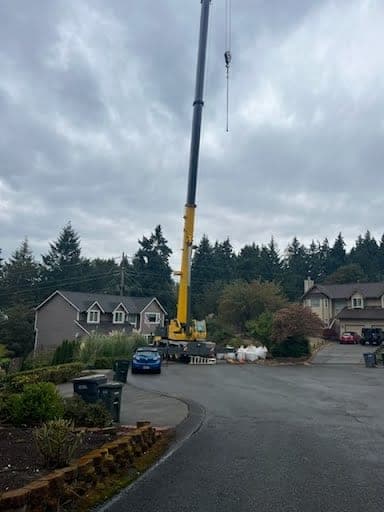
Weather can make or break a crane operation. Whether it’s wind, rain, snow, or extreme temperatures, outdoor lifting work is directly affected by what’s happening in the sky. For contractors and project managers, understanding how weather impacts crane safety and scheduling helps set realistic expectations and keeps projects running smoothly.
At Central Washington Crane & Rigging, we work year-round across Eastern Washington, North Idaho, and Northeastern Oregon—regions known for windy afternoons, winter storms, and fast-changing conditions. Because of that, we’ve built our processes around preparation, communication, and safety-first decision making.
Wind: The Biggest Factor
Out of all the weather conditions we monitor, wind is the one that most often affects crane operations.
Even a moderate breeze can change how a load behaves once it’s in the air. Large or awkward loads act like sails, catching wind and becoming unstable. Gusts can swing a load unexpectedly, putting workers and equipment at risk.
We use manufacturer guidelines, load charts, and on-site measurements to determine when it’s safe to lift. If the wind speed or gusts exceed safe limits, we pause operations. It’s never worth risking a lift when the wind starts pushing the load around.
Rain and Wet Conditions
Rain doesn’t always stop a crane from working, but it does change how we approach the job.
Wet surfaces can make rigging equipment slippery, reduce traction for machinery, and create hazards for workers on the ground. Electrical components and controls also need to be protected from moisture.
When rain is in the forecast, we take steps such as:
- inspecting rigging for grip and condition
- adjusting ground access to prevent slipping or sinking
- protecting controls and electrical systems
- slowing movements for added control
If thunderstorms or lightning enter the area, all lifting stops immediately. Safety always comes first.
Snow, Ice, and Freezing Temperatures
Winter brings its own set of challenges across our service area.
Ice buildup can interfere with crane components, make walking surfaces hazardous, and cause loads to freeze together or stick to surfaces. Cold weather can also affect hydraulic systems and reduce the flexibility of rigging materials.
Before a winter lift, we make sure:
- ice is removed from equipment and lifting points
- ground conditions can support the crane
- rigging remains flexible and safe to use
- hydraulics are properly warmed and functioning
Winter work is absolutely possible—it just requires more preparation and patience.
Heat and High Temperatures
On the other end of the spectrum, hot weather can stress both equipment and people.
Hydraulic systems run hotter, metal expands, and operators may fatigue faster. We adjust break schedules, check equipment temperatures more frequently, and monitor rigging for heat-related wear.
Keeping our crew safe and alert is just as important as protecting the machinery.
How We Prepare
Weather isn’t something we can control, but we can control how we plan for it.
Before every project, we:
- review weather forecasts and wind patterns
- assess the site surface and drainage
- build flexibility into scheduling
- communicate openly with clients about potential delays
During operations, we continually monitor conditions on-site. If anything changes, we make adjustments or pause work until conditions are safe again.
Our goal is always the same: complete the lift safely, efficiently, and without unnecessary risk.
Safety First, Every Time
We understand the pressure of deadlines and budgets. But no lift is ever worth compromising safety. By preparing for weather conditions and making informed decisions, we protect our team, your equipment, and your project as a whole.
If you have an upcoming lift and want to know how weather might affect the schedule, we’re always happy to walk through the plan with you.