
When Do You Need a Spreader Beam? Complex Rigging Solutions Explained
·13 min read
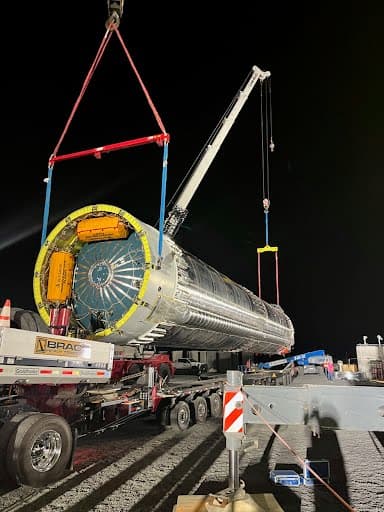
Not every lift can be safely accomplished with slings alone. When you're moving wide loads, handling delicate equipment, or dealing with challenging rigging configurations across Eastern Washington, Northern Idaho, and Eastern Oregon, specialized below-the-hook lifting devices become essential. Spreader beams represent one of the most versatile and commonly used rigging solutions for complex lifting operations—but understanding when and why to use them makes the difference between efficient, safe lifts and problematic operations.
At Central Washington Crane and Rigging, our experienced rigging team designs and implements spreader beam solutions for projects throughout the Columbia Basin and beyond. This guide explains what spreader beams are, when you need them, and how they differ from other rigging options.
Understanding Spreader Beams: The Basics
A spreader beam is a below-the-hook lifting device designed to distribute load weight evenly across multiple lifting points. The beam features two or more attachment points on its top side that connect to the crane hook through slings at angles typically between 45 and 60 degrees. Below the beam, vertical rigging connects to the load at two or more evenly spaced points.
This configuration creates a critical difference from simple sling arrangements. The angled top rigging and vertical bottom rigging work together to convert lifting forces into compressive forces along the beam rather than bending forces. These compressive forces allow spreader beams to be lighter and more material-efficient than equivalent capacity lifting beams while providing superior load control.
Spreader Beams vs. Lifting Beams: Key Differences
Many people use the terms interchangeably, but spreader beams and lifting beams represent distinct rigging solutions with different applications.
Lifting beams feature a single central attachment point that connects directly to the crane hook, with multiple lifting points along the bottom to support the load. This design creates bending forces in the beam, requiring more substantial construction to resist those forces. Lifting beams excel in low-headroom situations where vertical clearance is limited, and they can support loads at multiple points along their length.
Spreader beams use top rigging with two attachment points and convert lifting forces to compression. This allows them to be lighter for equivalent capacity, but they require additional headroom to accommodate the angled top slings. Spreader beams primarily lift at their ends, making them ideal for wide loads but less suitable when center support is needed.
The fundamental difference lies in the forces applied to each device and the resulting design implications. Understanding these differences helps you select the right solution for specific applications.
When You Need a Spreader Beam
Several common scenarios make spreader beams the optimal rigging choice. Recognizing these situations helps ensure safe, efficient lifting operations.
Wide or Long Loads
Spreader beams excel at handling wide loads that extend beyond what direct sling arrangements can safely accommodate. When lifting long structural beams, pipes, panels, prefabricated building sections, or storage tanks, spreader beams provide stable support at both ends of the load. This prevents sagging in the middle and maintains load stability throughout the lift.
Projects throughout Eastern Washington frequently involve wide loads including agricultural equipment with extended reach, food processing tanks and vessels, structural steel for industrial buildings, and prefabricated panels for data center construction. Spreader beams provide the control and stability these applications demand.
Loads with Uneven or Uncertain Centers of Gravity
When a load's center of gravity is unclear, offset, or subject to shifting, spreader beams help maintain stability. The even distribution of weight between multiple rigging points prevents tipping and provides better control than single-point lifting arrangements.
This characteristic proves particularly valuable when handling equipment with internal components that may shift, irregularly shaped objects, loads with asymmetric weight distribution, or items where exact center of gravity is difficult to determine. Rather than risking load instability, spreader beams provide balanced support that maintains control throughout the operation.
Fragile or Damage-Prone Loads
Delicate loads that could be damaged by concentrated lifting forces benefit from spreader beam applications. By distributing weight across multiple attachment points, spreader beams reduce stress concentration that could crush, bend, or otherwise damage sensitive items.
Applications include thin-walled vessels or tanks, composite material components, finished equipment with sensitive surfaces, glass or other fragile materials, and equipment with load-bearing limitations. Food processing equipment installation, aerospace component handling, and data center infrastructure projects throughout the Columbia Basin frequently require this gentle handling approach.
Preventing Sling Damage to Loads
Even when loads themselves aren't particularly fragile, spreader beams help prevent damage from slings. Direct sling contact can mar finished surfaces, create pressure points on thin materials, or damage protective coatings. Spreader beams allow slings to attach at reinforced points while lifting the load without direct sling contact along its length.
This proves especially important for equipment destined for clean environments like food processing facilities or data centers, finished products with protective coatings, equipment with decorative or functional surface treatments, and loads where cosmetic appearance matters.
Controlling Sling Angles
Maintaining optimal sling angles represents a critical aspect of safe rigging. As loads become wider, direct rigging to the crane hook creates increasingly shallow sling angles. Shallow angles dramatically increase tension in the slings—a sling at 30 degrees from horizontal experiences twice the tension of a vertical sling carrying the same load.
Spreader beams solve this problem by keeping bottom rigging vertical or near-vertical while the beam itself spans the width of the load. The top rigging to the crane hook maintains optimal angles, typically 45 to 60 degrees, minimizing sling stress and allowing efficient load distribution.
Multi-Point Lifting Requirements
Some loads require simultaneous support at more than two points. While basic spreader beams support loads at two end points, spreader beam configurations can be designed with additional lifting points or multiple beams can be used in cascading arrangements to create four-point or even more complex lifting configurations.
Large equipment platforms, structural assemblies requiring balanced support, loads with multiple attachment points, and items too flexible to span between two points all benefit from multi-point spreader beam arrangements.
Common Applications Throughout Eastern Washington
Understanding theoretical applications helps, but seeing how spreader beams solve real-world rigging challenges provides clearer insight into their value.
Agricultural Equipment and Processing
The Columbia Basin's agricultural industry regularly requires spreader beam applications. Large grain bins and storage structures, food processing tanks and vessels, irrigation system components including long pipe assemblies, and bulk material handling equipment all benefit from spreader beam rigging.
When installing a large processing tank at a potato facility in the Tri-Cities or moving grain handling equipment in Moses Lake, spreader beams provide the control and stability needed for safe placement in tight locations.
Data Center Construction
Moses Lake's booming data center sector demands precision equipment placement with zero tolerance for damage. Generator sets and power distribution equipment, large HVAC units and cooling systems, electrical transformers and switchgear, and battery backup systems all typically require spreader beam rigging to prevent damage during installation.
These high-value components often feature finished surfaces, sensitive internal components, and critical mounting points that make spreader beams the logical choice for safe handling.
Industrial and Manufacturing Facilities
Manufacturing operations throughout the region require equipment installation and relocation services that frequently employ spreader beams. Processing equipment and production machinery, overhead crane components and structural elements, material handling systems, and storage vessels and pressure tanks all represent common spreader beam applications.
The ability to support wide equipment while maintaining load stability and preventing damage makes spreader beams essential for industrial projects from Spokane to the Tri-Cities.
Construction and Infrastructure
Commercial and industrial construction projects regularly encounter situations requiring spreader beam solutions. Structural steel beams and columns, precast concrete panels and architectural elements, mechanical systems and large HVAC equipment, and building materials requiring careful handling all benefit from spreader beam rigging.
Wind Energy Projects
Eastern Washington and Oregon's wind energy development creates significant demand for specialized lifting including turbine components and nacelle equipment, tower sections requiring careful alignment, blade handling and installation, and transformer and electrical equipment. Spreader beams provide the precise control needed for these challenging applications in remote locations.
Spreader Beam Advantages
Understanding the specific benefits spreader beams provide helps explain why they're often preferred for complex rigging applications.
Material Efficiency and Weight Savings
Because spreader beams work in compression rather than bending, they can be designed with less material than lifting beams of equivalent capacity. This typically results in spreader beams being three to four times lighter than comparable lifting beams. The weight savings provides multiple benefits including easier transportation and handling, reduced dead load that allows lifting heavier payloads within crane capacity, and lower mobilization costs.
Even Load Distribution
Spreader beams excel at distributing weight evenly between multiple slings. This reduces stress on any single attachment point, helps prevent load tipping or rotation, minimizes risk of localized crushing or damage, and extends the service life of rigging equipment by reducing wear.
Load Stability
The geometry of spreader beam rigging provides superior stability for wide loads. The beam physically prevents slings from sliding together or off the load, maintains consistent sling angles throughout the lift, reduces tendency for loads to swing or rotate, and provides better operator control during positioning.
Versatility
Modern spreader beams offer remarkable flexibility. Fixed-length beams serve consistent applications, while adjustable spreader beams accommodate varying load widths. Modular spreader beam systems can be reconfigured for different span requirements, and custom configurations address unique rigging challenges.
At Central Washington Crane and Rigging, we maintain spreader beam inventory and can source specialized configurations when projects demand custom solutions.
When Spreader Beams Aren't the Answer
Understanding spreader beam limitations helps identify situations where alternative rigging approaches work better.
Limited Headroom
Spreader beams require sufficient vertical clearance to accommodate the angled top rigging. In low-headroom applications such as indoor facilities with limited ceiling height, basement or below-grade installations, or situations with overhead obstructions, lifting beams that attach directly to the crane hook typically prove more practical.
Need for Center Support
Standard spreader beams lift only at their ends. Loads requiring support along their entire length, such as very long flexible items, thin materials prone to sagging, or objects with weak center sections, often require lifting beams with multiple attachment points along their length or specialized rigging configurations.
Very Short Spans
For loads with short spans where rigging points are close together, the benefits of spreader beams diminish. Direct sling arrangements or compact lifting beams may prove more practical and cost-effective for these applications.
Spreader Beam Design Considerations
Proper spreader beam selection and configuration requires attention to several technical factors.
Load Capacity
Spreader beams must be rated for the total load being lifted, including the weight of rigging below the beam. Always verify that beam capacity exceeds your requirements with appropriate safety factors. Industry standards typically specify design safety factors of 3:1 yield and 5:1 ultimate for rigging equipment.
Beam Span
The distance between lifting points affects beam selection. Longer spans require larger, heavier beams to resist compressive forces. Adjustable or modular spreader beams provide flexibility for varying span requirements without maintaining multiple fixed-length beams.
Sling Angles
Top sling angles significantly affect tension in the rigging. Maintaining angles between 45 and 60 degrees from horizontal optimizes load distribution and minimizes sling stress. Shallower angles dramatically increase sling tension and may require higher capacity slings or rigging adjustments.
Attachment Points
Load attachment points must be designed to handle rigging forces. Verify that lifting lugs, pad eyes, or other attachment hardware meet capacity requirements and are properly rated for the application.
Engineered Rigging Solutions
Complex lifting applications often benefit from engineered rigging analysis. When loads approach crane capacity, geometries become challenging, or stakes are particularly high, PE-stamped lift plans provide additional assurance.
Engineered plans include load calculations and capacity verification, rigging configuration optimization, ground pressure analysis for crane setup, stress analysis for beam and rigging components, and comprehensive safety protocols.
Central Washington Crane and Rigging provides engineering support for critical lifts throughout Eastern Washington, Northern Idaho, and Eastern Oregon. Our engineered lift plans ensure regulatory compliance while optimizing operational safety and efficiency.
Multiple Spreader Beam Configurations
Some applications require more complex rigging arrangements using multiple spreader beams in cascading configurations.
Cascading Rigs
When loads require more than two lifting points, spreader beams can be arranged in cascading configurations. A primary spreader beam at the top level connects to the crane, with secondary beams below providing additional lifting points. This creates stable four-point, six-point, or even more complex lifting arrangements.
Applications include large equipment platforms, structural assemblies, flexible loads requiring multiple support points, and items with specific attachment point requirements.
Multiple Crane Lifts
Very large or heavy items may require multiple cranes working together. Spreader beams in these applications help coordinate load sharing between cranes and provide balanced support across the entire load. These complex operations require detailed planning, coordination, and often engineering analysis to ensure safe execution.
Spreader Beam Inspection and Maintenance
Like all rigging equipment, spreader beams require regular inspection and maintenance to ensure continued safe operation.
Pre-Use Inspection
Before each use, inspect spreader beams for visible damage including cracks, bends, or deformation, wear or elongation of attachment points, damaged or illegible capacity markings, corrosion or material degradation, and proper function of any adjustable components.
Never use damaged or questionable equipment. When in doubt, have spreader beams inspected by qualified personnel before use.
Documentation
Maintain inspection records, capacity certifications, and load test documentation for all spreader beams. Professional crane service providers like Central Washington Crane and Rigging maintain comprehensive equipment records and provide certification documentation with rigging equipment.
Working with Rigging Professionals
Successful spreader beam applications require expertise in rigging principles, load analysis, and safe execution. Professional crane service providers bring experience that helps identify the right solution for specific applications.
What to Expect from Professional Rigging Services
Experienced rigging professionals provide lift planning consultation, spreader beam and rigging equipment selection, load analysis and capacity verification, engineered lift plans when required, and comprehensive execution including equipment supply, installation, and operation.
At Central Washington Crane and Rigging, our certified riggers design rigging solutions appropriate to each application's specific requirements. We maintain spreader beam inventory, source specialized configurations when needed, and provide complete rigging services from planning through execution.
Communication is Key
Successful rigging requires clear communication about load characteristics including weight, dimensions, and attachment points, site conditions and constraints, project requirements and timelines, and any special considerations or concerns.
The information you provide helps rigging professionals design optimal solutions that ensure safety while meeting project objectives.
Regional Considerations
Operating throughout Eastern Washington, Northern Idaho, and Eastern Oregon presents unique considerations for crane and rigging operations.
Weather and Environmental Factors
Wind conditions affect crane operations and can create additional challenges for spreader beam applications. Wide beams and loads present larger surface areas subject to wind forces. Planning for regional weather patterns, particularly spring and summer afternoon winds in the Columbia Basin, helps ensure safe operations.
Temperature extremes affect equipment performance and ground conditions. Our experience operating in this climate means we plan appropriately for seasonal considerations.
Remote Locations
Many projects occur in remote areas with limited support infrastructure. Comprehensive planning that accounts for equipment mobilization, rigging resource availability, and logistics coordination ensures successful execution regardless of location.
Industry-Specific Requirements
Different industries throughout the region present unique rigging challenges. Our experience with agriculture, food processing, data centers, construction, manufacturing, and energy projects provides insight into industry-specific requirements and best practices.
Cost Considerations
Spreader beam applications involve equipment costs, setup time, and operational factors that affect project budgets.
Equipment Investment
Professional crane service providers typically include spreader beam equipment as part of comprehensive crane services. This approach provides access to appropriate equipment without requiring project-specific purchases.
For organizations with frequent rigging needs, purchasing spreader beams may prove cost-effective. Consider application variety, frequency of use, storage and maintenance requirements, and total cost of ownership when evaluating purchase versus rental decisions.
Time and Efficiency
While spreader beam rigging requires additional setup compared to simple sling arrangements, the time investment often pays dividends through improved safety, reduced risk of load damage, better control during positioning, and faster overall project completion.
Your Partner in Complex Rigging Solutions
When your project requires spreader beam applications, engineered rigging solutions, or expert lifting support throughout Eastern Washington, Northern Idaho, or Eastern Oregon, Central Washington Crane and Rigging delivers comprehensive crane and rigging services backed by over 20 years of regional experience.
Our certified riggers design and implement rigging solutions appropriate to your specific requirements. We maintain spreader beam inventory, source specialized configurations when needed, and provide engineered lift plans for critical applications. Our range of cranes, from telehandlers through 230-ton crawlers, combined with comprehensive rigging capabilities, enables us to handle projects from routine equipment installation to complex industrial lifts.
Whether you're installing processing equipment in a Moses Lake food facility, placing generators at a data center, moving agricultural equipment in the Tri-Cities, or handling construction materials in Spokane, we provide the expertise and equipment to execute lifts safely and efficiently.
Get Expert Guidance for Your Project
Not sure whether your project requires a spreader beam? Uncertain about rigging configuration or equipment selection? Contact Central Washington Crane and Rigging to discuss your lifting requirements. Our experienced team evaluates your needs, recommends appropriate solutions, and delivers professional crane and rigging services throughout the Inland Northwest.
From initial planning through final execution, we provide the expertise, equipment, and commitment to safety that ensures project success. Let us show you how professional rigging solutions make complex lifts straightforward.
Central Washington Crane and Rigging | Moses Lake, WA | Serving Eastern WA, Northern ID, and Eastern OR