How Transloading Helps Speed Up Agricultural and Industrial Projects
·2 min read
In industries where time is money, efficient transportation isn’t just helpful—it’s critical. For many agricultural and industrial operations across Central and Eastern Washington, transloading has become an essential logistics solution that keeps materials moving and projects on schedule.
Whether you're transferring grain from rail to truck, moving machinery from flatbed to storage, or coordinating multi-leg shipping routes, transloading offers the flexibility and speed modern supply chains demand.
Here’s how transloading helps accelerate timelines and reduce costs on your project:
1. Bridges the Gap Between Transport Modes
Most farms, warehouses, or industrial sites don’t sit next to a rail line—and that’s where transloading comes in. It allows you to move goods between railcars, trucks, and other carriers without interrupting your logistics flow.
Why it matters:
You get the cost-efficiency of long-haul rail with the last-mile access of trucks, all while avoiding costly delivery delays or missed deadlines.
2. Reduces Onsite Congestion
Large projects often involve multiple deliveries arriving in tight windows. Without proper planning, equipment and materials can bottleneck at the jobsite—costing you time, space, and labor.
How transloading helps:
By staging materials at a transload site first, we can break loads down, repackage, or schedule just-in-time delivery. That keeps your jobsite clean, clear, and on track.
3. Handles Oversized or Heavy Loads with Ease
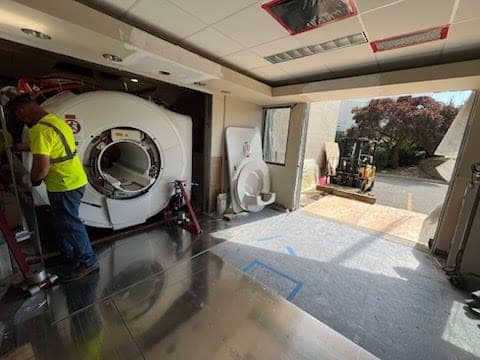
Agricultural equipment and industrial components are often too heavy or awkwardly shaped for traditional freight handling. Transloading with crane-assisted lifts makes transferring these loads safer and faster.
At Central Washington Crane & Rigging, we provide:
- Crane-assisted load/unload services
- NCCCO-certified operators
- Rigging and lifting support
- Oversize freight handling
4. Supports Remote and Rural Projects
If you're working in an area with limited rail or highway access (common in farming regions), transloading allows you to create a customized logistics hub closer to your operation.
Result:
Less time lost in transport, fewer bottlenecks, and more control over how and when your materials arrive.
5. Improves Supply Chain Flexibility
Markets shift, schedules change, and weather happens. Transloading gives you the agility to adapt—rerouting shipments, breaking down bulk deliveries, or temporarily storing equipment until you’re ready.
Get a Transloading Partner Who Knows the Terrain
Central Washington Crane & Rigging works closely with agricultural producers, energy companies, and contractors to provide safe, efficient transloading services throughout the region.