5 Common Challenges in Machinery Moving — and How to Avoid Them
·2 min read
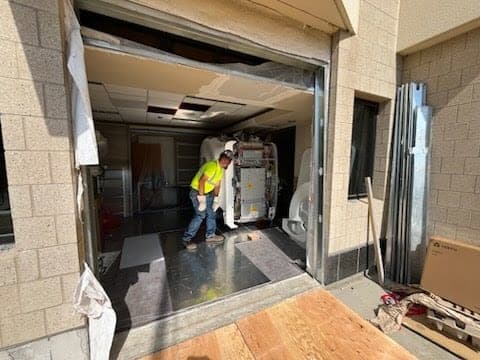
Moving heavy industrial equipment isn’t just about muscle and machinery—it’s about precision, planning, and risk management. Whether you're relocating a single CNC machine or coordinating a full facility move, even small oversights can lead to costly delays or safety hazards.
At Central Washington Crane & Rigging, we’ve helped clients across Eastern Washington avoid those headaches by addressing these five common machinery moving challenges head-on:
1. Underestimating the Weight and Dimensions
One of the most common—and dangerous—mistakes is misjudging how much the machine weighs or how its weight is distributed. Inaccurate specs can lead to equipment failure, property damage, or serious injury.
How to avoid it:
Always verify load weight and dimensions using manufacturer documentation or certified scales. We use this information to select the right crane, rigging, and transport method for the job.
2. Lack of a Site-Specific Rigging Plan
Too many machinery moves are rushed without a clear plan. Lifts are attempted without accounting for ceiling height, ground conditions, or access points—and that’s when things go sideways.
How to avoid it:
We develop engineered rigging and lift plans tailored to your site. This includes load paths, obstacle clearance, jack-and-slide options, and contingency plans in case the environment changes mid-job.
3. Improper Equipment Selection
Using the wrong crane or rigging setup can put your machinery—and your crew—at serious risk. Not all machines are shaped or balanced the same way, and not all rigging is created equal.
How to avoid it:
We match each job with the proper equipment, including spreader bars, slings, dollies, and jacks. We bring cranes sized to the load — telehandlers and rough-terrain machines for tight work, all-terrain and crawler cranes up to 230 tons for the heavy sets — while jack-and-roll systems allow for precise indoor positioning.
4. Poor Communication Between Crews
When multiple teams are involved—riggers, operators, electricians, facility managers—miscommunication can stall the move or create dangerous conditions.
How to avoid it:
We hold pre-move coordination meetings to ensure everyone is on the same page. On the day of the move, a designated lift director manages communications and directs the sequence of steps, so nothing gets lost in the shuffle.
5. Not Accounting for Downtime and Business Impact
Some companies overlook how much downtime the move will cause. Delays in disconnecting, moving, or reinstalling machines can ripple across your entire operation.
How to avoid it:
We help clients schedule moves during off-hours or weekends when possible. Our team works quickly and efficiently to minimize disruption, and we offer storage or staging solutions if your install site isn’t ready yet.
Need a Machinery Mover You Can Count On?
Whether you're moving a single machine or reconfiguring your entire floor, Central Washington Crane & Rigging brings the experience, equipment, and planning to get it done right.
Let’s talk about your next move.